Healthy Lunch Vegetable Sushi Rolls
Highlighted under: Healthy Bites
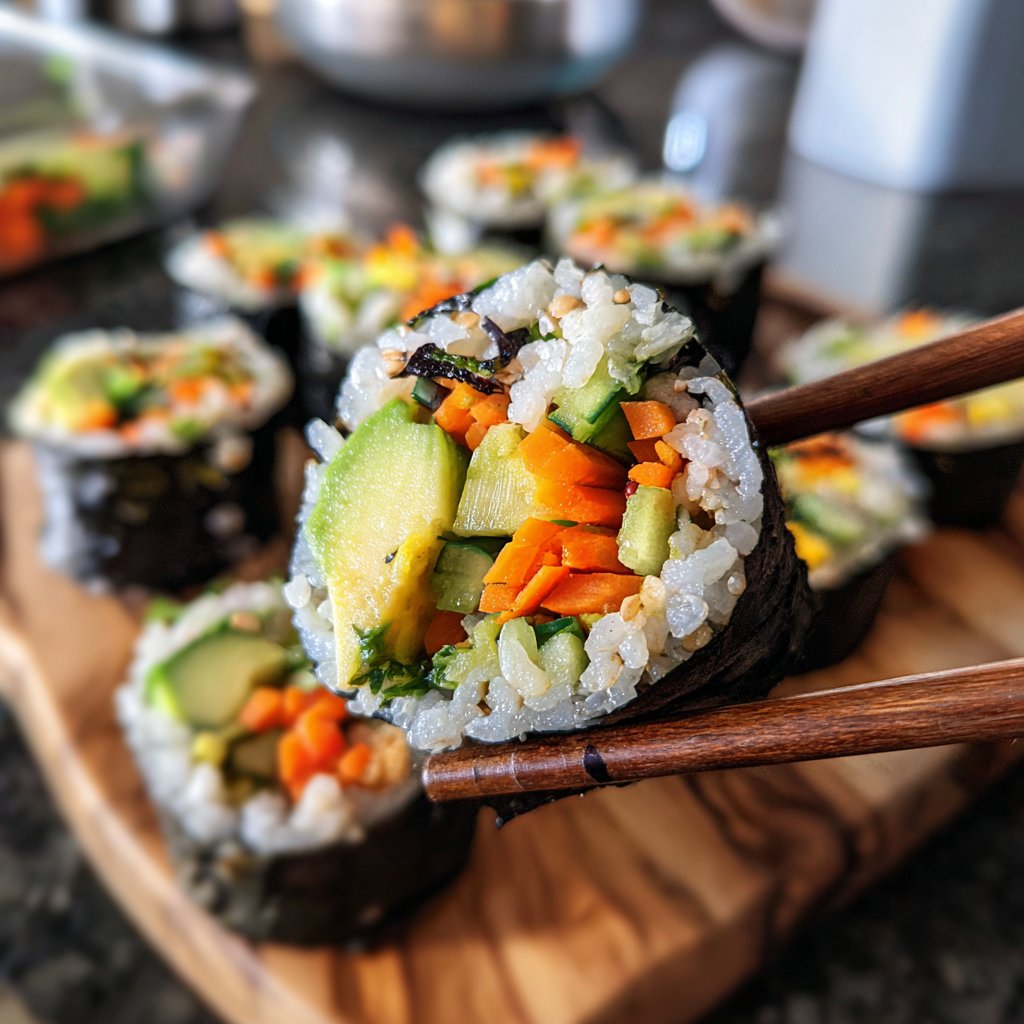
I love making healthy lunch vegetable sushi rolls because they're not only delicious but also visually appealing. These sushi rolls are filled with a variety of fresh, crisp vegetables that burst with flavor and nutrition. Each bite offers a satisfying crunch along with the slight tang of rice vinegar. Plus, I can customize them with my favorite ingredients, making lunch exciting and healthier. Whether I'm prepping for a busy work week or a picnic, these rolls always hit the spot while providing a nutritious meal option.
When I first tried making sushi at home, I was surprised at how simple it could be. I experimented with various fillings and landed on this colorful medley of fresh vegetables. Using a bamboo mat really helps in achieving a tight roll, and I love adding a splash of soy sauce on the side for dipping. Remember to keep your hands wet while rolling to prevent the rice from sticking!
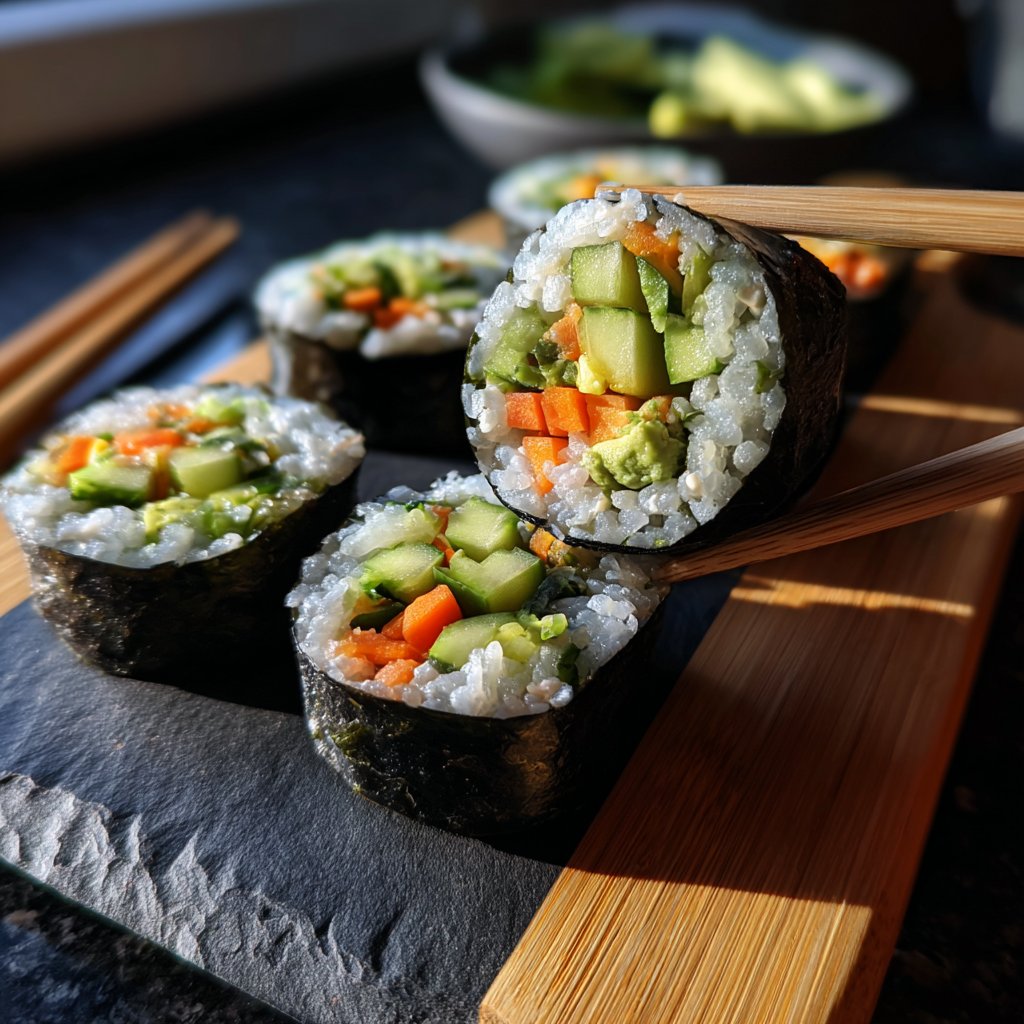
On one occasion, I served these rolls for a small gathering and everyone was raving about them. Not only do they look stunning on a platter, but they also cater to various dietary preferences. I’ve learned that fresh, seasonal veggies enhance the taste, so don't hesitate to swap in whatever you have on hand for a uniquely personal touch.
Why You'll Love These Rolls
- Packed with nutritious vegetables that keep you full and energized
- Low-calorie and perfect for light lunches or snacks
- Colorful presentation makes them perfect for entertaining
Perfecting the Sushi Rice
The quality of sushi rice is paramount in achieving that authentic flavor and texture. When rinsing, ensure you wash until the water runs completely clear to remove excess starch; this helps prevent overly sticky rice. After cooking, let the rice rest for about 10 minutes. This allows the steam to redistribute, giving you a fluffy texture. Mixing in rice vinegar should be done while the rice is still warm, as it helps the rice absorb the flavors better.
For the vinegar mixture, consider using seasoned rice vinegar for added complexity, or adjust the sugar to taste if you prefer a sweeter profile. Ensure the seasoned rice is glossy and slightly sticky, which will help hold the rolls together. Remember, the rice acts as the foundation of the sushi, so invest time in perfecting it.
Choosing Vegetable Fillings
When selecting ingredients for your sushi rolls, freshness is key. Opt for firm cucumbers and vibrant bell peppers, as softer produce can wilt and compromise texture. You can substitute the vegetables based on seasonality; for example, try using radishes for a spicy kick or roasted zucchini for a sweeter flavor. Always aim for an array of colors to enhance both appearance and taste.
If you're looking to add protein, cooked shrimp or tofu can be excellent options. Slice these into thin strips and layer them among your vegetables. This variation not only diversifies flavor but also adds nutritional value to your rolls.
Storing and Serving Suggestions
To preserve the freshness of your sushi rolls, wrap them tightly in plastic wrap and store them in the refrigerator. They are best consumed within 24 hours, as the nori can become chewy and lose its crispness over time. If you're making them for a picnic or meal prep, consider packing the rice and fillings separately, rolling them right before serving for optimal texture.
For an extra touch when serving, consider arranging your sushi rolls on a platter garnished with sesame seeds or sliced green onion. Pairing with a selection of dipping sauces beyond soy sauce, such as sweet chili or spicy mayo, can elevate the dining experience and provide varied flavor profiles.
Ingredients for Healthy Lunch Vegetable Sushi Rolls
Sushi Rice
- 1 cup sushi rice
- 1 1/4 cups water
- 2 tablespoons rice vinegar
- 1 tablespoon sugar
- 1/2 teaspoon salt
Vegetable Fillings
- 1 medium cucumber, julienned
- 1 large carrot, julienned
- 1 avocado, sliced
- 1 red bell pepper, thinly sliced
- 1 cup spinach leaves
For Serving
- Soy sauce
- Pickled ginger
- Wasabi (optional)
Make sure to prepare all your ingredients before you start rolling.
Instructions for Healthy Lunch Vegetable Sushi Rolls
Prepare the Rice
Rinse the sushi rice under cold water until the water runs clear. Combine the rice and water in a rice cooker and cook according to the rice cooker instructions or on the stovetop. Once cooked, allow the rice to cool slightly before mixing in the rice vinegar, sugar, and salt.
Prep the Vegetables
While the rice cools, prepare all your vegetable fillings by slicing them into thin strips. This will make it easier to roll and eat.
Assemble the Sushi Rolls
Place a sheet of nori on a bamboo sushi mat, shiny side down. Wet your hands, grab a handful of sushi rice, and spread it evenly over the nori, leaving a small border at the top. Lay your vegetable fillings in a line across the center of the rice.
Roll and Cut
Using the bamboo mat, carefully roll the sushi away from you, pressing gently as you go. Once rolled, use a sharp knife to cut the sushi into bite-sized pieces. Wet the knife in between cuts to prevent sticking.
Serve
Arrange your sushi rolls on a platter, and serve with soy sauce, pickled ginger, and wasabi on the side.
Enjoy your delicious homemade sushi rolls!
Pro Tips
- Feel free to customize the fillings with any vegetables you have on hand. Try adding radishes, asparagus, or even fruits like mango for a twist!
Troubleshooting Common Issues
If your sushi rolls fall apart while cutting, ensure the rice is sticky enough; if not, add a touch more rice vinegar to the mix or use a little water while rolling to help hold them together. Another common issue is over-rolling; avoid squeezing the rolls too tightly, which can compress the rice and fillings, leading to a dense texture. Instead, use a gentle yet firm pressure as you roll.
When preparing sushi rice, if you find it too dry, the starch wash may not have been thorough enough, leading to poor stickiness. In contrast, if it's too wet, reduce the amount of added vinegar next time or try adjusting the water-to-rice ratio slightly.
Creative Variations
For a fusion twist, try adding spicy tuna mix or even cream cheese to your vegetable rolls. These additions give a delightful creaminess and can transform the basic recipe into something unique. Experiment with various herbs like cilantro or mint for brightening flavors. This can give an unexpected but refreshing twist that plays well with the backdrop of the crisp vegetables.
If you’re preparing these rolls for a themed event, consider matching the fillings to your theme; for instance, an autumnal version could include roasted sweet potatoes and kale. This not only offers seasonal flavors but also enhances the visual appeal of your presentation.
Make-Ahead Tips
For those busy weekdays, prep your vegetables a day in advance and store them in airtight containers in the refrigerator. This will save you time and ensure that you have everything ready for quick assembly when hunger strikes. Additionally, you can prepare the sushi rice the day before; simply reheat it gently in the microwave before using to ensure it retains its desirable temperature and texture.
Consider making larger batches of sushi rolls and freezing them. Wrap each roll tightly in plastic wrap and foil, then place them in a freezer-safe bag. They can last up to a month in the freezer. To eat, let them thaw in the refrigerator overnight and enjoy fresh flavors as if they were just made, perfect for a quick, healthy lunch option.
Questions About Recipes
→ Can I use brown rice instead of sushi rice?
Yes, you can use brown rice, but cooking times and texture may vary. Brown rice tends to have a nuttier flavor and chewier texture.
→ How do I store leftover sushi rolls?
It's best to store leftover sushi in an airtight container in the fridge. Consume within a day for optimal freshness.
→ Can I make these sushi rolls ahead of time?
You can prepare the rice and vegetables ahead of time, but it’s best to roll them fresh for the best texture.
→ What can I use instead of nori?
You can use large lettuce leaves for a low-carb option. However, the flavor will differ from traditional sushi.
Healthy Lunch Vegetable Sushi Rolls
What You'll Need
Sushi Rice
- 1 cup sushi rice
- 1 1/4 cups water
- 2 tablespoons rice vinegar
- 1 tablespoon sugar
- 1/2 teaspoon salt
Vegetable Fillings
- 1 medium cucumber, julienned
- 1 large carrot, julienned
- 1 avocado, sliced
- 1 red bell pepper, thinly sliced
- 1 cup spinach leaves
For Serving
- Soy sauce
- Pickled ginger
- Wasabi (optional)
How-To Steps
Rinse the sushi rice under cold water until the water runs clear. Combine the rice and water in a rice cooker and cook according to the rice cooker instructions or on the stovetop. Once cooked, allow the rice to cool slightly before mixing in the rice vinegar, sugar, and salt.
While the rice cools, prepare all your vegetable fillings by slicing them into thin strips. This will make it easier to roll and eat.
Place a sheet of nori on a bamboo sushi mat, shiny side down. Wet your hands, grab a handful of sushi rice, and spread it evenly over the nori, leaving a small border at the top. Lay your vegetable fillings in a line across the center of the rice.
Using the bamboo mat, carefully roll the sushi away from you, pressing gently as you go. Once rolled, use a sharp knife to cut the sushi into bite-sized pieces. Wet the knife in between cuts to prevent sticking.
Arrange your sushi rolls on a platter, and serve with soy sauce, pickled ginger, and wasabi on the side.
Extra Tips
- Feel free to customize the fillings with any vegetables you have on hand. Try adding radishes, asparagus, or even fruits like mango for a twist!
Nutritional Breakdown (Per Serving)
- Calories: 200 kcal
- Total Fat: 5g
- Saturated Fat: 1g
- Cholesterol: 0mg
- Sodium: 250mg
- Total Carbohydrates: 38g
- Dietary Fiber: 5g
- Sugars: 2g
- Protein: 4g